Off-Season Travel in 2026: How to Find Quieter Places and Better Timing
 0
 0
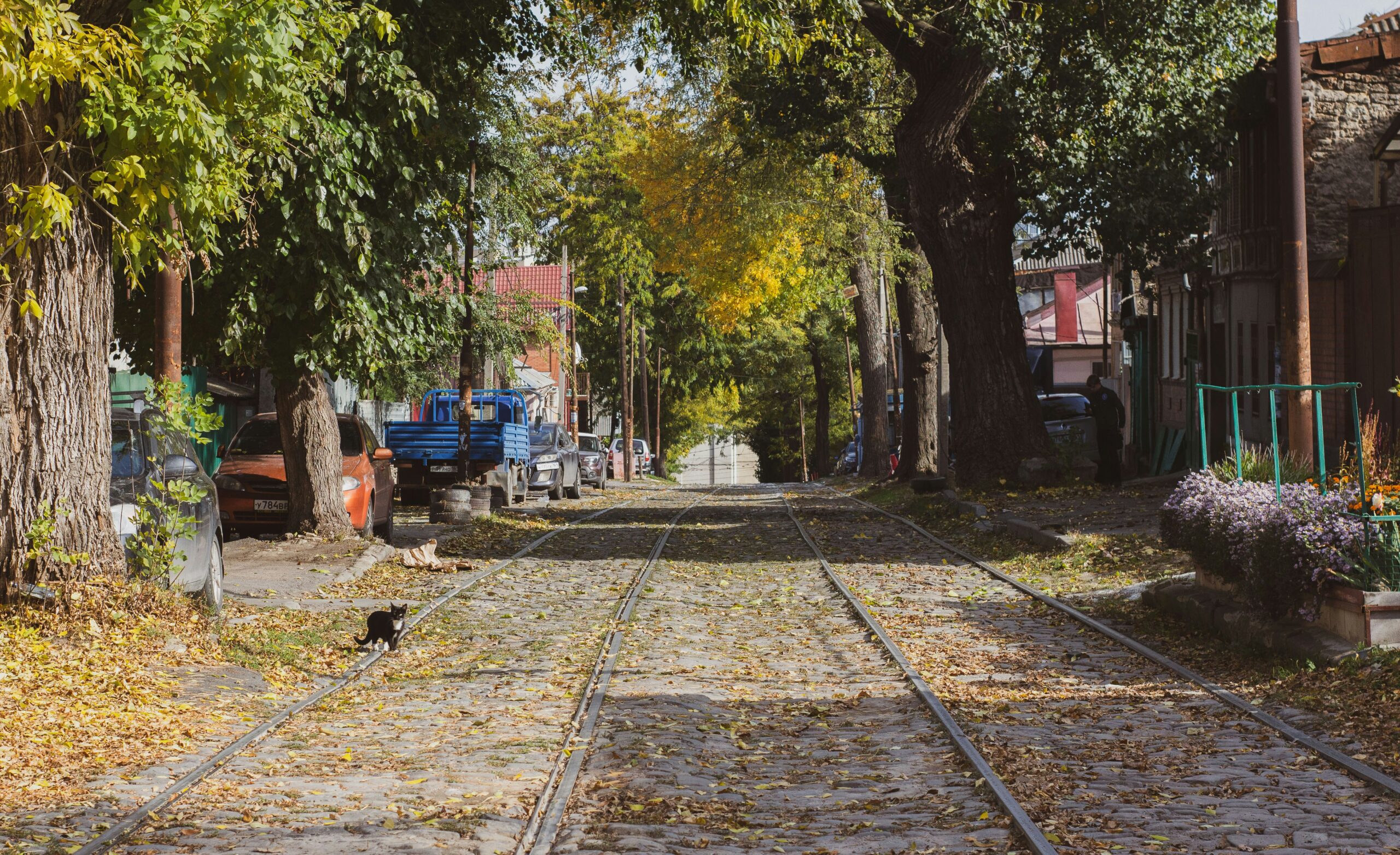
There is a particular pleasure in arriving somewhere just after the busiest travel period has passed. The café tables are easier to find, popular viewpoints feel less hurried and the person behind the counter may have a little more time to chat. The weather might be different from the glossy summer photographs, but the destination can feel more approachable.
That is part of the appeal of off-season and shoulder-season travel. Instead of automatically booking the most popular weeks, more travellers are looking at the quieter edges of the calendar: late autumn, early spring, or the weeks between major holidays. Industry reports for 2026 point to continued interest in travel outside traditional peak periods, with quieter experiences and less-visited places gaining attention.
The idea is not simply to find the cheapest month. It is to choose a time when the destination still has the experiences you want, but the pace, prices or crowds may be more comfortable. Get the timing right and travelling outside peak season can be one of the most rewarding ways to see the world.
What is the difference between off-season and shoulder season?
Peak season is the period when demand is highest. It often coincides with school holidays, major festivals, ideal weather or a destination’s most famous natural event. Hotels and flights can be more expensive, popular attractions may need advance reservations and the busiest areas can feel crowded.
Shoulder season sits on either side of the peak. It can offer a useful balance: many businesses remain open, the weather may still be pleasant and visitor numbers can be lower than during the busiest weeks. The exact dates vary by destination.
Off-season is generally the quieter period when fewer visitors arrive. It can bring better accommodation value and a more relaxed atmosphere, but some attractions, restaurants, ferry routes or seasonal tours may reduce their hours or close altogether.
These labels are not universal. A beach destination, ski resort and wildlife region all have different seasons. A month that is quiet in one country may be the busiest time somewhere else.
Why quieter-season travel is attracting attention in 2026
Recent travel research suggests that visitors are paying more attention to when they travel, not only where they go. The European Travel Commission’s November 2026 update found that 76% of surveyed Europeans intended to take an overnight trip between October 2026 and March 2027. Its findings also point to interest in less-visited destinations, city breaks and culture-focused trips.
DERTOUR Group’s 2026 European Travel Trend Report describes a shift towards quieter periods, reporting growth in trips during September and October compared with 2023. These findings relate to particular markets and survey periods, so they should not be treated as a prediction for every destination. They do, however, reflect a wider conversation about spreading travel across the year.
For travellers, the attraction is practical as well as atmospheric. A quieter month may mean more choice of accommodation, easier restaurant reservations and less time spent in queues. It can also make it easier to slow down and spend longer in one neighbourhood rather than rushing between crowded highlights.
The benefits of travelling outside peak dates
More breathing room at popular sights
Fewer visitors can make a difference to the way a place feels. Historic streets, museums, coastal walks and viewpoints may be easier to enjoy when tour groups and holiday crowds are smaller. You may have more flexibility to change your plans during the day instead of organising everything around timed entry slots.
Potentially better value
Accommodation rates and airfares can be lower outside periods of strong demand, although there is no guarantee. School holidays, conferences, festivals and major sporting events can push prices up even during a traditionally quiet month. Compare actual dates and the full cost of the trip rather than assuming that a season is automatically cheap.
A closer look at everyday local life
When visitor numbers ease, it can be easier to notice the ordinary rhythm of a destination: morning markets, neighbourhood cafés, local events and the way residents use public spaces. Travelling more slowly can create opportunities to spend money with small businesses rather than concentrating every purchase around major attractions.
More flexibility in your itinerary
A less crowded period may make it easier to book a table, join a small-group activity or adjust your plans at short notice. That flexibility is valuable if you prefer to discover a place as you go. Still, always reserve essential experiences and check seasonal schedules before travelling.
Where off-season travel can work especially well
The best examples depend on the weather and what you want to do. These ideas are starting points for research, not promises of empty streets or perfect conditions.
European cities after the summer rush
Many European cities remain rewarding in autumn and winter. Museums, historic buildings, food markets and indoor cultural attractions can provide plenty to do when days are shorter. Cities such as Lisbon, Rome, Vienna and Prague each have their own seasonal character, so compare daylight hours, rainfall and public holiday dates before choosing.
Some coastal resorts and smaller islands operate differently. Restaurants, boat trips and beach businesses may close or run reduced schedules once the main summer season ends. If swimming, nightlife or island-hopping is central to your plans, check what will actually be operating.
Japan beyond the headline blossom season
Cherry blossom season attracts enormous interest in parts of Japan, but it is not the only time to visit. Autumn foliage, winter landscapes, summer festivals and quieter periods between major holidays each offer a different experience. The best timing depends on the region: conditions in Hokkaido can be very different from those in Kyoto or Okinawa.
Rather than chasing one national calendar, choose the experience first. Check local foliage forecasts, weather records, school holidays and transport demand for the specific places on your route.
Mountain regions between major seasons
Mountain destinations can be beautiful outside the main hiking or ski periods, but this is where careful planning matters. Trails may be closed by snow, lifts may stop operating and some mountain accommodation may shut between seasons. Weather can change quickly, and rescue or transport services may be more limited.
Check official park, trail and lift information before setting out. If a route is not open or conditions are unsuitable, choose a lower-altitude walk or a different activity rather than treating a seasonal closure as a challenge to overcome.
Tropical destinations in their quieter months
In tropical regions, the quieter period may overlap with wetter weather, higher humidity or rougher seas. That does not automatically rule out a visit, but it changes the kind of holiday to plan. A flexible itinerary with cafés, cultural attractions, spa time and activities that can move around a rain shower may work better than a schedule built entirely around boat trips and beach days.
Research local rainfall patterns and sea conditions, not just annual averages. Some destinations have regional differences, and weather can vary considerably from one coast to another.
How to choose the right month for your trip
Start with the experience you care about most. If the trip is built around swimming, wildlife, hiking, snow or a particular festival, identify the natural or event season first. Then look for dates near the edges of that period when the experience is still available but demand may be lower.
Use this simple sequence:
- Choose your main experience. Decide whether weather, wildlife, culture, food, scenery or a special event matters most.
- Check the destination’s seasonal calendar. Look at official tourism, park, transport and attraction information.
- Compare two or three date windows. Include a peak period, a shoulder period and a quieter alternative if practical.
- Check what remains open. Confirm tours, restaurants, ferry routes, public transport and visitor facilities.
- Compare total trip costs. Include flights, accommodation, local transport, insurance and any seasonal equipment.
- Leave room for weather changes. Build in flexible days or backup activities if outdoor plans are important.
What can go wrong in the quiet season?
Off-season travel is not automatically better. Some destinations become quiet because the weather is difficult, services are limited or the main attractions are closed. A hotel may advertise a low rate, but the restaurant you hoped to visit could be shut for the month and the island ferry may run only a few times a week.
Shorter daylight hours can also affect sightseeing. In northern destinations, winter days may be brief, while mountain roads and rural routes can be affected by snow or ice. In tropical destinations, heavy rain or rough seas can disrupt outdoor activities.
Before paying for a non-refundable booking, check cancellation terms and think about how much flexibility you need. Travel insurance should match the activities and risks of your trip; read the policy wording rather than assuming every disruption is covered.
How to avoid replacing one crowd with another
Once a quieter period becomes popular, it can develop its own busy weeks. Autumn foliage, harvest festivals, Christmas markets and major cultural events can attract large numbers of visitors. The label “shoulder season” does not guarantee a peaceful experience.
Look at the local calendar and be specific about dates. A destination may be calm from Monday to Thursday but busy during a weekend festival. A small adjustment of a few days can sometimes make more difference than changing the month.
You can also look beyond the best-known neighbourhoods. Consider a nearby town connected by reliable public transport, or spend more nights in one base and take day trips. This can spread your spending and help you discover places that do not appear on every standard itinerary.
Travel more thoughtfully, not just more cheaply
Choosing quieter dates can benefit visitors and destinations when it helps spread demand more evenly through the year. But responsible travel is about more than avoiding crowds. Respect local rules, use marked trails, support independent businesses and be considerate in residential neighbourhoods.
Some communities rely on seasonal tourism for employment, so a very quiet period can also mean fewer services and less income for local workers. Spend thoughtfully, choose locally run experiences where possible and remember that a destination is a place where people live, not simply a backdrop for a holiday.
A quieter calendar can make a richer journey
Travelling outside peak season is not a secret trick for getting every destination at a bargain price. It is a way of matching your dates to the experience you want. Sometimes that means a spring city break, an autumn food trip, a winter museum weekend or a tropical escape with a flexible plan.
Do the seasonal research, check what will be open and leave a little room for uncertainty. The reward may be a more relaxed pace, better conversations and the chance to see a familiar destination from a different angle.
For more destination inspiration and practical ideas for planning a trip, explore The Gap Travel Guide.
Further reading: European Travel Commission: Autumn and Winter Travel Intentions, November 2026 and DERTOUR Group: European Travel Trend Report 2026.
Photo credit: Tobias Reich via Unsplash.


