Astrotourism: Where to Travel for the World’s Most Incredible Dark Skies
 0
 0
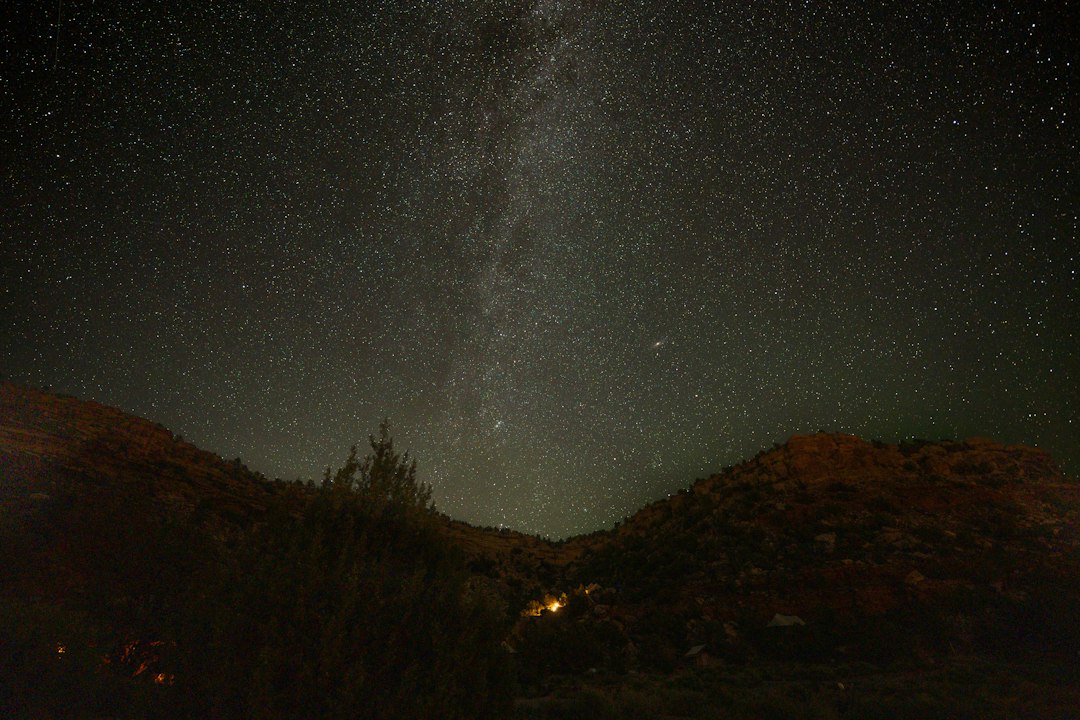
For years, many travel plans have been built around what happens in daylight: the famous viewpoint, the coastal walk, the museum that opens at ten. But a growing number of journeys are being planned around what happens after sunset. Travellers are heading away from bright city centres to see the Milky Way, watch meteor showers, look for the northern lights or simply spend an evening beneath a genuinely dark sky.
Often called astrotourism or dark-sky tourism, this style of travel turns the night sky into the main attraction. It can be as simple as joining a guided stargazing session or as ambitious as travelling to a remote desert or mountain reserve. The appeal is easy to understand: the experience feels rare, unhurried and very different from the usual sightseeing checklist.
What is astrotourism?
Astrotourism is travel motivated by celestial and night-sky experiences. It includes stargazing, astronomy tours, meteor-shower viewing, aurora trips, eclipse journeys and visits to places recognised for protecting their dark skies.
It overlaps with noctourism, a broader term for travel experiences after dark. Noctourism can include night markets, illuminated architecture, evening wildlife tours and night-time nature walks. Astrotourism is more specifically about the sky above us.
The interest is not just social-media spectacle. A dark sky can connect visitors with astronomy, local stories, landscape conservation and the simple pleasure of being outdoors after the day has ended.
Why dark skies are becoming a travel attraction
Artificial light makes many urban skies brighter, reducing the number of stars visible to the naked eye. For people who live in large cities, seeing a dense field of stars can be an unfamiliar experience. That contrast is one reason remote locations are drawing attention.
Travel coverage in 2026 has highlighted astrotourism as an emerging interest, while retreat research points to demand for experiences such as stargazing and dark-sky nature escapes. The August 2026 total solar eclipse also brought celestial travel into wider public conversation, although eclipse trips and ordinary stargazing require very different planning.
There is also a slower pace to this kind of journey. Rather than moving between attractions every hour, visitors may spend an evening learning a few constellations, listening to an astronomer or waiting quietly for the sky to change.
Where to go for a memorable night sky
The best destination depends on what you hope to see, the season and how much travel you are prepared to do. These regions are well known for dark-sky experiences, but local conditions and access still need checking before booking.
Atacama Desert, Chile
The Atacama is famous for its high-altitude desert landscapes and exceptionally clear conditions in many areas. Its dry climate and remote setting have also made the region important for professional astronomy. Visitors can join guided night-sky tours, learn about southern-hemisphere constellations and see how the Milky Way appears far from major urban lighting.
Altitude, cold nights and long distances matter here. Allow time to acclimatise if your itinerary includes high elevations, bring warm layers and choose an operator that explains both the viewing conditions and the practical safety arrangements.
Aoraki Mackenzie, New Zealand
New Zealand’s Aoraki Mackenzie region is internationally recognised for dark-sky protection. The mountain scenery adds another dimension to the experience, and guided astronomy sessions can help visitors understand the southern sky.
Weather remains the deciding factor. Cloud cover can hide the stars even in a renowned dark-sky area, so consider staying more than one night if stargazing is a major reason for the trip.
Utah, United States
Utah has a concentration of recognised dark-sky parks and communities, making it a strong option for travellers combining astronomy with national-park scenery. Places such as desert parks can offer dramatic horizons and a sense of scale that is hard to find in a city.
Check park entry rules, road conditions, seasonal closures and night access policies. Some viewpoints are a long drive from accommodation, and wildlife may be active on roads after dark.
Namibia and other remote desert regions
Remote desert landscapes can offer impressive skies because settlements and roads are widely spaced. Namibia is often associated with wide-open horizons and astronomy-focused stays. In remote areas, however, independent night driving can be challenging. Organised experiences or accommodation with suitable viewing areas may be the better choice.
Closer to home: find a dark-sky spot nearby
You do not necessarily need an international flight. Many countries have rural parks, observatories, reserves or low-light coastal areas where the night sky is more visible than in a city. Start with a local astronomy club or observatory, and look for public events that introduce beginners to the sky.
Choose the right time, not just the right place
Moonlight, weather and the season can make a big difference. A bright full moon can wash out faint stars and the Milky Way, while a clear moonless night is often better for deep-sky viewing. On the other hand, moonlit landscapes can be beautiful in their own right.
Check the moon phase for your dates and research when the Milky Way’s bright central region is visible from your chosen hemisphere. The best viewing months differ between the northern and southern hemispheres, and local seasons affect cloud, rain and temperature.
Meteor showers happen at predictable times, but the number of meteors visible varies with moonlight, weather and the darkness of the location. Treat forecasts as guidance rather than a guarantee. If an eclipse is the goal, use official eclipse maps and plan around the narrow path of totality where relevant.
What to bring for a night under the stars
- Warm layers: temperatures can drop quickly after sunset, even in warm regions.
- Comfortable footwear: viewing areas may be uneven, rocky or dusty.
- Water and a small snack: especially if the viewing site is away from shops.
- A red-light torch: it helps preserve night vision better than a bright white beam.
- Offline directions: mobile reception may be weak in remote areas.
- Binoculars: a modest pair can reveal more than the naked eye without the complexity of a telescope.
- Patience: give your eyes time to adapt to darkness and avoid checking a bright phone screen constantly.
A camera is optional. Long-exposure night photography takes practice, and the experience can be more enjoyable if you spend some time simply looking up rather than trying to capture every moment.
Book a guide or explore independently?
A guided experience is useful for beginners. An astronomy guide can point out constellations, explain what is visible that night and provide equipment. Local guides may also share cultural stories connected to the stars, which adds a sense of place to the experience.
Independent stargazing can work well in accessible public areas, but research access rules and safety first. Do not enter closed parks, private land or unmarked desert tracks after dark. If driving, make sure the route is suitable for your vehicle and avoid stopping where visibility is poor.
Protect the darkness you came to see
Dark-sky travel depends on keeping artificial light under control. Use torches only when needed, point lights down, follow the guide’s instructions and avoid shining bright beams towards other visitors or wildlife. Keep noise low and take all rubbish away with you.
Choose operators and accommodation that respect local conservation rules. In sensitive environments, staying on designated paths and avoiding disturbance to nocturnal animals matters as much as the view overhead.
Is astrotourism worth planning a trip around?
If you enjoy nature, science, photography or quiet outdoor experiences, it can be a rewarding reason to travel. It also works well as one part of a broader itinerary: a few nights in a dark-sky region can balance a busy city break or a road trip through dramatic landscapes.
The most important thing is to build flexibility into the plan. Clouds happen, moonlight changes the view and celestial events do not always cooperate with travel dates. Stay more than one night where possible, have a daytime alternative and treat a clear sky as a wonderful bonus rather than something a destination can promise.
For more inspiration on meaningful experiences and destinations around the world, explore The Gap Travel Guide.
Further reading: DarkSky International’s certified Dark Sky Places and US National Park Service: Night Skies.
Photo credit: Dennis Zhang via Unsplash.


