The Art of Slow Rail Travel: How to Plan a Memorable Train Journey
 0
 0
Train travel is having a fresh moment among travellers who want the journey to be part of the holiday rather than simply the space between two airports. A rail route can bring changing landscapes, city-centre arrivals and a slower rhythm that is difficult to recreate when flying from one terminal to another.
From overnight sleepers to scenic regional lines, travelling by train can also make it easier to connect smaller towns and major cities without hiring a car. But rail trips reward a little preparation. Timetables, reservations, luggage rules and seasonal services vary widely, especially when a journey crosses borders.
Why choose a train journey?
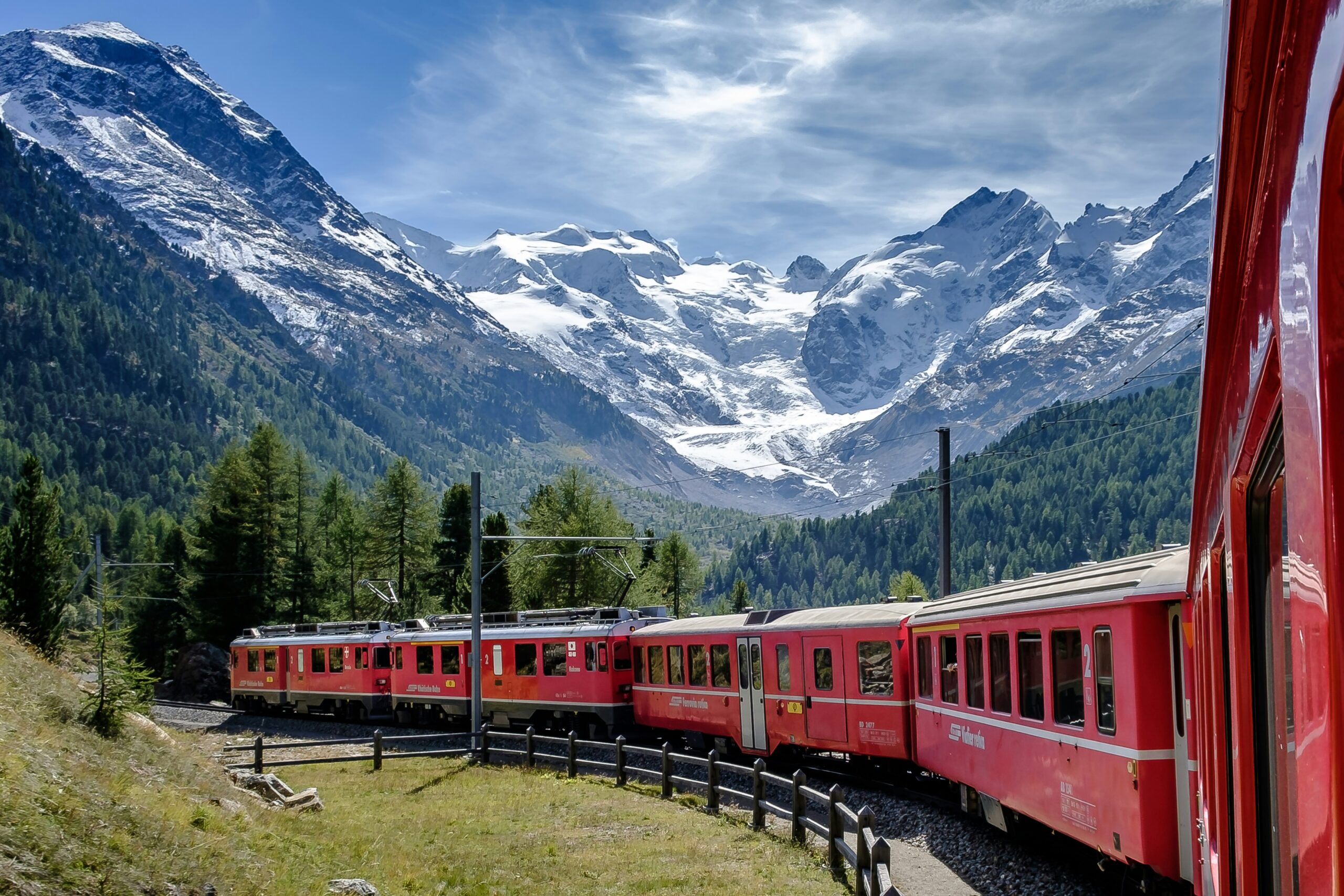
For many routes, trains offer a comfortable way to watch a region change outside the window. You may pass farmland, coastlines, mountain valleys and small stations that would be easy to miss on a flight. Arriving near the centre of a city can also reduce the extra transfer time associated with airports.
Rail is not automatically cheaper or faster. High-speed tickets can become expensive close to departure, and some rural routes operate infrequently. Compare the full journey: station transfers, seat reservations, overnight accommodation and the time needed to reach the platform.
Choose the kind of rail experience you want
High-speed connections between cities
High-speed trains are useful when you want to link major destinations without spending much of the day in transit. In countries with extensive rail networks, they can compete well with flying once airport transfers and check-in time are included. Book early where fares are dynamic, and check whether the ticket is tied to a specific departure.
Scenic regional routes
Regional trains can be the highlight rather than just transport. They often stop in smaller communities and can provide access to landscapes that are not served by high-speed lines. Some routes are especially popular in peak seasons, so check whether a seat reservation is possible or recommended.
Overnight sleeper trains
Sleeper services can combine transport and accommodation, saving a hotel night while covering a long distance. Before booking, compare a private compartment, shared couchette and standard seat. Consider privacy, luggage space, bedding, washroom access and arrival time. A sleeper can be a memorable experience, but it is not guaranteed to deliver a full night’s rest.
Plan a route that leaves room to explore
It is tempting to add a new city every time a train connection looks convenient. Resist the urge to make the itinerary too ambitious. A route with two or three well-chosen bases often feels more rewarding than changing hotels every night.
Look at the map and group destinations geographically. Check whether a direct train exists or whether the route requires a transfer at a small station. If the connection is tight, consider a longer stop or an overnight stay. A missed train can become expensive when tickets are restricted to a particular departure.
Understand tickets and reservations
Rail ticket systems differ between countries. Some services require a reservation in addition to a pass, while others allow passengers to board with a flexible ticket. Read the conditions carefully, including refund rules, exchange fees, seat selection and whether the ticket is valid on another departure.
For cross-border journeys, check which operator runs each leg and whether you are buying one through-ticket or separate tickets. Separate tickets can leave you responsible for the cost of a missed connection if the first service is delayed.
Pack for stations and the journey
Keep essentials where you can reach them: ticket details, identification, medication, a phone charger, water and a light layer. Stations can be busy, and platforms may change shortly before departure. Arrive with enough time to find the correct platform and check carriage information.
Pack luggage that you can lift and manage yourself. Storage space varies by train, and some older carriages have steps between the platform and the compartment. Keep valuables close and follow the operator’s guidance for bicycles, large bags and special equipment.
Make the journey more comfortable
For longer trips, bring headphones, a book, snacks and a reusable water bottle where refill facilities are available. On overnight trains, consider earplugs and an eye mask. If you are sensitive to motion, choose a seat near the centre of the carriage where possible and take breaks when the service stops.
Do not assume every train has reliable Wi-Fi, power sockets or food service. Check the operator’s facilities before departure and download maps, entertainment and important booking details for offline use.
Be flexible when disruptions happen
Weather, engineering works and operational problems can affect rail services. Check live departure information on the operator’s official website or app on the day of travel. If a service is cancelled, speak to staff or follow the operator’s published rebooking process rather than buying a replacement ticket immediately.
Build some breathing room into important connections, especially when you have a flight or a prepaid tour later that day. For a complex journey, arriving the evening before a major departure may be worth the extra night.
Consider the environmental picture carefully
Rail can have lower emissions per passenger than flying on many routes, but the comparison depends on the electricity mix, occupancy, distance and type of service. If reducing the impact of a trip matters to you, compare credible route-specific information and consider how you will reach the station at either end.
Choosing a train does not make every journey automatically sustainable. Travel thoughtfully, respect local communities and avoid adding unnecessary detours simply because a route looks attractive on a map.
Useful official rail resources
For European journeys, Eurail provides information about rail passes and participating services, while national operators publish the definitive timetables and reservation conditions for their own trains. In Japan, the JR East travel site is one example of an official operator resource. Always confirm details with the operator responsible for the specific route.
Make the train part of the story
A memorable rail journey does not have to be the longest or most famous route. It might be a short regional ride to a market town, an overnight sleeper between two countries or a high-speed connection that gives you more time at your destination.
Choose a route that fits your pace, understand the ticket conditions and leave space to enjoy the view. For more ideas and practical inspiration for exploring the world, visit The Gap Travel Guide.
Photo credit: Unsplash.


