Snackpacking: The Viral Travel Trend Turning Local Shops into Food Adventures
 0
 0
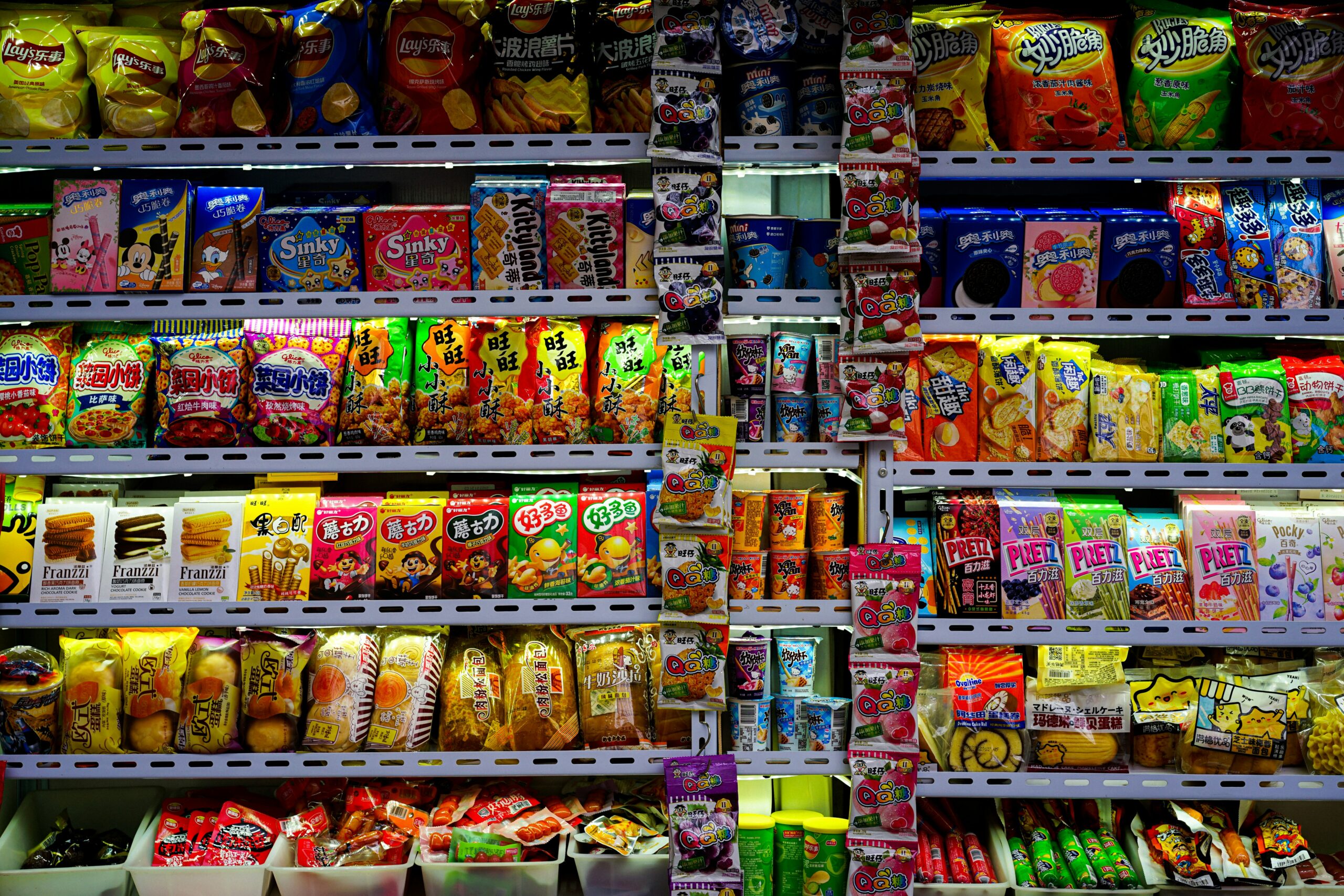
Some of the most memorable things you bring home from a trip do not come from a gift shop. They might be a packet of chilli crisps from a neighbourhood supermarket, a fruit drink you cannot pronounce, a bakery snack wrapped in paper, or a flavour of instant noodles you have never seen before.
This simple idea has a name that is gaining attention in travel conversations: snackpacking. Instead of planning every meal around famous restaurants, travellers make room in the itinerary to explore local snacks, grocery stores, bakeries and street-food stalls. It is an easy way to get curious about everyday food culture, and it can be surprisingly affordable.
Food-focused travel is hardly new, but the way people approach it is changing. A 2026 travel-trends feature by Euronews highlighted snackpacking alongside hands-on activities and spontaneous experiences. Skyscanner’s 2026 trend report also points to growing interest in discovering local grocery products while travelling. These reports do not mean every traveller is doing it, but they show why the idea is attracting attention.
What exactly is snackpacking?
Snackpacking is the habit of exploring a destination through the small things people eat every day. Think convenience-store drinks in Japan, pastries from a neighbourhood bakery in Portugal, fruit and spice snacks from a market in Morocco, or savoury bites picked up during a train journey.
The point is not to buy a suitcase full of packaged food. It is to be curious about what locals actually reach for between meals. A supermarket can reveal regional flavours, popular brands, seasonal produce and the ingredients that appear in everyday kitchens.
It also gives travellers a low-pressure way to try something unfamiliar. You can buy one small item, read the label, ask a shopkeeper what it is or share it with a travel companion. If you love it, you have found a new favourite. If not, at least it was a small experiment rather than an expensive dinner.
Why local supermarkets are becoming travel stops
Supermarkets and convenience stores are practical places, but they are also little windows into local life. The shelves show which drinks are popular, how snacks are packaged, what flavours are seasonal and which ingredients are common in the region.
In Japan, a convenience store visit might involve comparing onigiri fillings, seasonal sweets, bottled teas and savoury crisps. In South Korea, travellers may find an enormous range of instant noodles, seaweed snacks and sweet treats. In Italy, a neighbourhood grocery shop can introduce regional biscuits, olive oils and pantry staples that rarely appear in a hotel breakfast buffet.
These examples are starting points, not a checklist to complete. The most interesting discoveries are often specific to the city or neighbourhood you are visiting.
How to build a snackpacking walk into your day
You do not need a special tour or a detailed food itinerary. Choose an area you already plan to explore and look for a local market, bakery, grocery store or convenience shop along the way.
- Start with one local speciality. Ask a local guide, accommodation host or shopkeeper what snack people in the area genuinely enjoy.
- Visit more than one type of shop. Compare a supermarket with a bakery, market stall or small independent food shop.
- Buy small portions. A few individual items are easier to share and help avoid unnecessary waste.
- Read labels and ask questions. Check ingredients, allergens, storage instructions and whether the product contains meat, dairy, nuts or other ingredients relevant to you.
- Keep a note of favourites. Photograph the packaging or write down the name so you can find it again before leaving.
Try this between bigger activities rather than turning the entire day into a shopping mission. A bakery stop before a museum or a supermarket visit on the way back from a walk can be enough.
Snackpacking ideas from around the world
Japan: rice snacks, seasonal sweets and regional flavours
Japanese convenience stores are famous for their variety, but look beyond the most heavily promoted products. Rice balls, savoury crackers, bottled teas and seasonal sweets can differ by brand and time of year. If you are unsure what to choose, start with a small item and check the label for ingredients.
South Korea: crunchy, spicy and sweet discoveries
South Korean shops offer plenty of snack options, from roasted seaweed and rice-based treats to spicy crisps and sweet bakery items. Instant noodles are another popular curiosity, although travellers should check spice levels and preparation instructions before buying.
Portugal: bakeries and simple local favourites
In Portugal, a neighbourhood bakery is a good place to pause. Try a small pastry or savoury snack, and notice how the selection changes between breakfast and later in the day. Famous pastries are worth tasting, but the everyday bakery counter can be just as interesting.
Morocco: dates, nuts and market flavours
Markets and food shops may offer dates, nuts, dried fruit, olives and spice blends. Buy from clean, reputable sellers, ask about ingredients and be mindful of how products are stored, especially in hot weather.
Indonesia: regional snacks beyond the familiar
Indonesia has a huge variety of regional snacks, from cassava and banana-based treats to savoury crackers, spice-rich bites and traditional cakes. Travellers moving between islands may notice that the ingredients, textures and names change from one region to another. A local market or small bakery can be a useful introduction, provided food is handled and stored safely.
Street food or supermarket snacks?
They offer different experiences. Street food can be freshly prepared and closely connected to local eating habits. Supermarkets make it easier to compare packaged products, check labels and take a small item away for later.
Neither is automatically safer than the other. Use the same common sense you would at home: choose busy stalls with high turnover, watch how food is cooked and stored, and be cautious with items that have been sitting unrefrigerated in hot conditions. For packaged food, check seals, expiry dates and storage instructions.
If you have food allergies, dietary restrictions or religious requirements, do not rely on packaging colours or pictures alone. Use translation tools where helpful, but confirm ingredients with the seller or manufacturer when the risk is significant.
Keep food safety and local rules in mind
Trying local food should be enjoyable, not a gamble. Wash or sanitise your hands before eating, choose drinking water that is safe for the destination, and be careful with cut fruit or chilled products if you cannot tell how they have been stored.
Also remember that some countries restrict the import of fresh produce, meat, dairy, seeds and other food items. A snack that is fine to buy locally may not be allowed in your luggage when you cross a border. Check official customs and biosecurity rules before carrying food internationally, and declare items when required.
Make it a small cultural exchange
Snackpacking works best when it is more than filming a colourful haul. Ask what a product is called, learn how people usually eat it, and be respectful when photographing shop staff, customers or market vendors. If someone takes time to explain a local speciality, a thank-you goes a long way.
Consider buying from independent bakeries and small food businesses as well as large chains. A local snack can tell you something about the place, but the person who makes or sells it may have an even better story.
What to pack home — and what to leave behind
Dry, sealed, commercially packaged snacks are often easier to transport than fresh or homemade food, but the rules depend on your destination and the ingredients. Keep products in their original packaging so labels are visible. Avoid packing anything that may leak, melt or spoil during a long journey.
Before buying more than you can eat, think about luggage space and customs restrictions. The goal is to enjoy a few discoveries, not return home with a suitcase full of things you forgot to declare.
A simple snackpacking challenge for your next trip
Choose three small discoveries: one snack you recognise but have never tried in that country, one product with a completely unfamiliar flavour, and one item recommended by a local. Compare them with a travel companion or write a few notes about what you liked.
It is a modest challenge, but it can turn an ordinary errand into a memorable part of the journey. And unlike chasing a famous photo spot, it does not require a queue, a reservation or a perfect sunset.
For more ideas on travelling with curiosity and making the most of everyday discoveries, explore The Gap Travel Guide.
Further reading: Euronews: The biggest travel trends for 2026 and Skyscanner’s 2026 travel trends.
Photo credit: Unsplash.


