Istanbul Beyond the Postcards: A Guide to Neighbourhoods, Food and the Bosphorus
 0
 0
Istanbul is a city of crossings. Ferries move between Europe and Asia, trams pass centuries-old buildings, and the call to prayer drifts above streets that are busy with shoppers, students and people heading home. It is a place where history is not kept behind glass. It is part of the everyday view, sometimes just around the corner from a modern café or a crowded market.
For travellers, that mix is the magic. Istanbul can feel enormous and energetic, but it becomes easier to understand when you explore it one neighbourhood at a time. Spend a morning around the historic peninsula, take a ferry across the Bosphorus, then leave the afternoon open for food, wandering and the occasional wrong turn. In Istanbul, a wrong turn can be an excellent travel plan.
Start in the historic heart of the city
Sultanahmet is where many first-time visitors begin. The area brings together some of Istanbul’s best-known landmarks, including Hagia Sophia, the Blue Mosque and the ancient Hippodrome. These places are close enough to explore on foot, although crowds, security checks and visiting arrangements can make the day take longer than expected.
Hagia Sophia has served different roles across its long history, and its architecture reflects the many chapters of the city. Nearby, the Blue Mosque is known for its cascading domes and elegant minarets. As an active place of worship, it has visitor rules and prayer times to consider. Dress modestly, follow staff instructions and be prepared for temporary visitor restrictions.
The old Hippodrome area is easy to overlook between the larger monuments, but it helps explain how important this part of the city was during the Byzantine and Ottoman periods. Take a little time to notice the historic columns and open spaces rather than rushing from one famous interior to the next.
Get lost in the Grand Bazaar and surrounding streets
The Grand Bazaar is one of Istanbul’s most recognisable shopping destinations. Its covered lanes are filled with carpets, ceramics, lamps, jewellery, textiles and souvenirs. It can be busy and confusing at first, so do not worry about seeing every passage. Choose a few sections, look around and enjoy the atmosphere.
Prices and quality vary widely. If you are shopping, compare a few stalls before deciding, ask questions and agree on the price before a purchase is final. Bargaining is common in some shops, but it should remain friendly. A polite smile is a much better strategy than treating every conversation like a championship match.
The Spice Bazaar offers a different sensory experience, with colourful displays of spices, dried fruit, nuts, sweets and tea. The surrounding streets are also worth exploring for small food shops and everyday city scenes.
Take a ferry across the Bosphorus
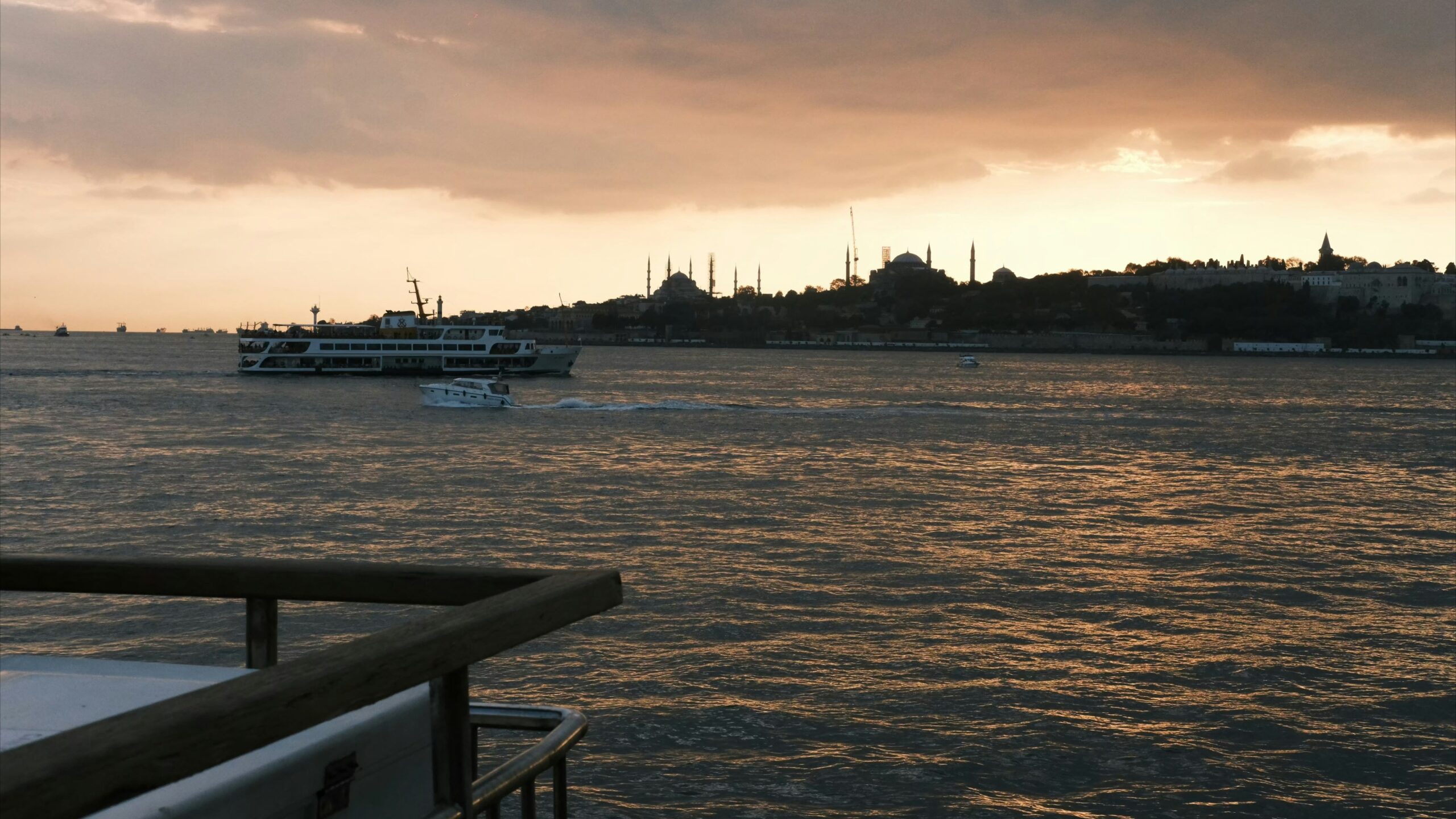
A ferry ride is one of the simplest ways to appreciate Istanbul’s geography. The Bosphorus separates the European and Asian sides of the city, while connecting the Black Sea with the Sea of Marmara. From the water, you can see waterfront mansions, mosques, bridges and neighbourhoods climbing the hillsides.
You do not need to book an elaborate cruise to enjoy the view. A regular public ferry can be part of the transport experience as well as a memorable sightseeing moment. Sit outside when the weather allows, keep a jacket handy and watch the skyline change as the boat moves between piers.
Consider spending time on the Asian side around Kadıköy or Üsküdar. These districts offer a more local rhythm, with markets, cafés, waterfront walks and plenty of places to eat. They are a useful reminder that Istanbul is not only its historic centre.
Explore Galata and Karaköy
Across the Golden Horn, Galata and Karaköy combine historic streets with contemporary cafés, galleries and independent shops. The Galata Tower is a familiar landmark, and the surrounding lanes are full of small discoveries. The streets can be steep, so comfortable shoes are a sensible choice.
Karaköy is a good area for a relaxed meal or coffee break. Former commercial buildings sit alongside newer restaurants and creative spaces. It is also a convenient starting point for walking towards the waterfront or crossing the Galata Bridge.
The Galata Bridge itself is worth experiencing at different times of day. Fishermen line parts of the upper level, while traffic and pedestrians move between the old city and the newer districts. Below, restaurants look out towards the water. It is busy, occasionally chaotic and unmistakably Istanbul.
What to eat in Istanbul
Food is a major part of the experience, and you do not need to book an expensive restaurant for memorable meals. Start with a traditional Turkish breakfast if you have time: bread, cheeses, olives, eggs, tomatoes, cucumbers, preserves and tea can turn the first meal of the day into a long, sociable event.
For something quick, try simit, a sesame-crusted bread ring often sold by street vendors. Döner, grilled kebabs and lahmacun are familiar choices, while bowls of lentil soup make a comforting meal on cooler days. For a sweet finish, look for baklava, künefe or a simple serving of Turkish delight.
Tea is part of daily life and is served in small tulip-shaped glasses. Turkish coffee is stronger and usually enjoyed slowly. If you are offered either, there is no need to rush. In Istanbul, a short coffee break has a habit of becoming a longer conversation.
Choose the right neighbourhood for your stay
Sultanahmet is convenient for travellers who want to be close to the major historic sights. It can be quieter in the evening than districts with a stronger restaurant and nightlife scene, but the location is practical for a short visit.
Beyoğlu, including areas around Taksim and İstiklal Avenue, offers a busier atmosphere with shops, restaurants and transport connections. Karaköy is useful for waterfront access and a mix of old and new Istanbul. On the Asian side, Kadıköy has a lively food and neighbourhood scene, although it may add travel time if most of your plans are on the European side.
Rather than choosing accommodation only by its distance from one landmark, consider how you will move around the city and what kind of evenings you enjoy. A hotel beside a convenient tram or ferry connection can make a big difference.
Getting around without feeling overwhelmed
Istanbul is large, and traffic can be slow. Public transport is often more predictable than travelling everywhere by taxi, especially during busy periods. Trams are useful around the historic centre, while metro, buses, funiculars and ferries connect many other districts.
Look into the local transport card and current fare arrangements when you arrive. Keep some flexibility in your schedule because transfers, queues and crowded services can add time. For short distances, walking is rewarding, but hills, uneven paving and busy crossings can make some routes more tiring than they appear on a map.
If you use a taxi, check that the meter is running and confirm the destination before setting off. Avoid accepting unsolicited offers from people approaching you around transport hubs. As in any large city, keep an eye on your belongings in crowded places.
How many days do you need?
Two full days can cover the historic peninsula, a bazaar visit and a ferry ride, but the schedule will be busy. Three or four days is more comfortable and gives you time to explore districts beyond the main landmarks. With five days or more, you can slow down, visit additional museums and spend longer on the Asian side.
A relaxed three-day Istanbul itinerary
Day one: Sultanahmet and the old city
Begin early around Hagia Sophia and the Blue Mosque, allowing time for visiting arrangements and breaks. Walk through the Hippodrome area, then explore the Grand Bazaar later in the day. Finish with dinner in the historic centre or nearby streets.
Day two: Galata, Karaköy and the Bosphorus
Explore the lanes around Galata Tower before heading down towards Karaköy. Walk across or beside the Galata Bridge, then take a ferry to enjoy the city from the water. If time allows, continue to Kadıköy for dinner and an evening walk.
Day three: Markets and neighbourhood life
Visit the Spice Bazaar and explore the streets around Eminönü. Spend the afternoon in a neighbourhood that interests you, perhaps Kadıköy, Üsküdar or the streets around İstiklal Avenue. Keep the final evening flexible for a meal, a waterfront view or a return visit to a favourite place.
When should you visit?
Spring and autumn are often comfortable seasons for walking, with milder temperatures than the height of summer. Summer brings long days and lively waterfront areas, but heat and crowds can make sightseeing tiring. Winter is cooler and can be rainy, though the city has a quieter atmosphere and indoor attractions become especially appealing.
Weather can change quickly around the water. Pack layers, comfortable walking shoes and something suitable for rain regardless of the season. If you are travelling during a major holiday or school break, allow extra time for transport and book accommodation ahead.
A few cultural details to keep in mind
Istanbul is a diverse city, and expectations can vary between neighbourhoods and settings. When visiting mosques, dress modestly and follow local guidance about footwear and head coverings. During prayer times, access for visitors may be limited. Ask before photographing people, especially in religious or private settings.
Be patient in markets and busy streets. Do not block shop entrances for photographs, and remember that many historic lanes are part of people’s everyday routines. Learning a few simple Turkish greetings is appreciated, even if you only manage a cheerful “merhaba” and “teşekkür ederim”.
Let the city unfold at its own pace
Istanbul is easy to underestimate if you only move between its headline attractions. The real pleasure comes from seeing how the city connects: the ferry crossing after a morning in the old town, the smell of fresh bread on a side street, the sound of tea glasses in a café and the evening light settling over the Bosphorus.
Plan enough to make your days manageable, but do not fill every hour. Leave time to sit, observe and change direction when something catches your attention. Istanbul is a city with many layers. For more inspiration, browse our travel guides and destination stories, and the best first visit is often the one that gives you permission to discover them slowly.


