A First-Time Guide to Kyoto: Temples, Neighbourhoods and Local Food
 0
 0
Kyoto is a city that rewards curiosity. One moment you might be walking past a quiet wooden townhouse; a few streets later, you are beside a temple gate, a small garden or a busy market filled with the smell of grilled food. Japan’s former imperial capital has plenty of famous sights, but its character is often found in the spaces between them.
For a first visit, the trick is not to treat Kyoto like a checklist. The city has more temples, shrines and neighbourhoods than most travellers can fit into a short stay. Choose a few areas, give yourself time to explore on foot, and leave a little room for the unexpected. Your feet will thank you, even if your camera roll becomes slightly ridiculous.
Understanding Kyoto before you go
Kyoto sits in the Kansai region of Japan and is easy to reach by train from major cities including Osaka and Tokyo. Kyoto Station is a major transport hub, with local trains, buses and subway connections. The city is spread across several distinct sightseeing areas, so it helps to group attractions geographically rather than crossing town repeatedly.
Kyoto is also a living city, not an open-air museum. Residential streets, temples and neighbourhood businesses share the same space. Keep noise down, avoid blocking narrow lanes for photographs and follow signs around private property. A little consideration makes the visit better for everyone.
Neighbourhoods and sights worth exploring
Higashiyama and the old lanes
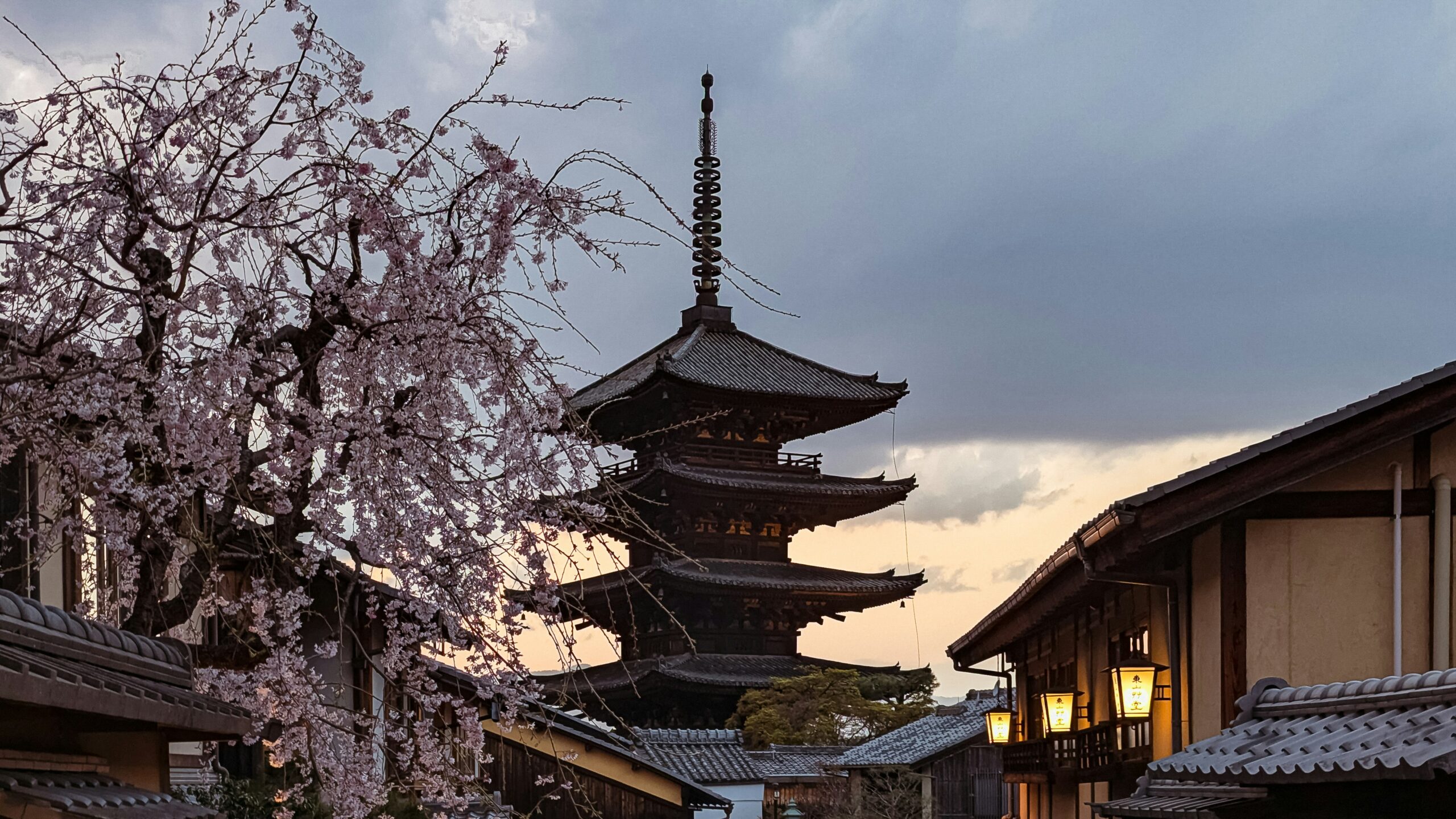
Higashiyama is one of the most atmospheric areas for a first-time visitor. Its sloping lanes, traditional façades and small shops create the Kyoto many people imagine before arriving. The streets around Sannenzaka and Ninenzaka are especially photogenic, with views towards the Yasaka Pagoda.
Nearby, Kiyomizu-dera is one of Kyoto’s best-known temples. Its wooden stage looks out over the surrounding hills and city. The approach can be busy, particularly during popular travel seasons, so an early start often makes the walk more comfortable. Remember that temples are active religious places; observe photography rules and be respectful during ceremonies.
Fushimi Inari Taisha
Fushimi Inari is famous for its long pathways lined with thousands of red torii gates. The route climbs into wooded hills, and visitors can choose a short walk through the lower sections or continue further up the mountain. You do not have to complete the entire route to enjoy the atmosphere.
Go early if you want a quieter experience. The shrine is open around the clock, but the paths can become crowded later in the morning. Wear comfortable shoes, carry water and take care on steps, especially if it has rained.
Arashiyama and the bamboo grove
On Kyoto’s western side, Arashiyama is known for its bamboo grove, river scenery and mountain backdrop. The bamboo path is relatively short, so it is worth combining the visit with nearby Tenryu-ji temple, the riverside and the surrounding streets. The area is popular, and arriving early can make a noticeable difference.
Arashiyama is more than one famous photo spot. Give yourself time to wander beyond the busiest lanes, enjoy a meal and explore the riverside at a slower pace.
Nishiki Market
Nishiki Market is a lively covered shopping street known for food stalls, local ingredients and small specialist shops. It is a good place to discover Kyoto flavours, from pickles and sweets to grilled snacks and seasonal treats. Some stalls are designed for takeaway rather than eating while walking, so follow each vendor’s instructions and use designated eating areas.
Gion after the daytime crowds
Gion is associated with traditional teahouses, historic streets and the performing arts of Kyoto. In the early evening, the area can feel especially atmospheric. It is also a residential and working neighbourhood, not a film set. Do not follow or photograph geiko and maiko without permission, enter private lanes or block doorways to get a picture. Respectful visitors help protect the atmosphere that makes the district special.
What should you eat in Kyoto?
Kyoto has a food culture that goes well beyond sushi. Look out for yudofu, a simple tofu hot-pot dish often associated with temple areas; obanzai, a style of home cooking featuring several small seasonal dishes; and matcha desserts from the region. Nishiki Market is useful for sampling small bites, while neighbourhood restaurants offer everything from casual noodle shops to carefully prepared multi-course meals.
If you have dietary requirements, carry a written explanation in Japanese where possible. Menus and staff communication vary, and ingredients such as fish stock, soy or wheat can appear in dishes where visitors may not expect them.
Getting around Kyoto
Kyoto’s buses reach many popular sights, while the subway and railway lines are useful for longer connections. Walking is often the best way to explore compact neighbourhoods, but distances between major areas can be substantial. A combination of train, bus and walking usually works better than relying on one mode for every journey.
Use an up-to-date route planner and check local transport information before setting out. The official Kyoto City visitor information and the Kyoto City Official Travel Guide are useful starting points for planning neighbourhood visits and understanding local travel guidance.
When is the best time to visit?
Spring is popular for cherry blossoms, while autumn draws visitors for colourful foliage. Both seasons can be beautiful, but accommodation and major attractions may be busy. Summer is hot and humid, with occasional heavy rain; winter is colder but can bring quieter streets and a different mood to temple gardens.
Rather than choosing dates based only on a blossom or foliage prediction, think about the kind of trip you want. If you prefer a calmer pace, consider travelling outside the busiest holiday periods and visiting major sights early in the day. Seasonal conditions vary from year to year, so check forecasts close to departure.
A practical three-day Kyoto itinerary
Day one: Higashiyama and Gion
Start early around Kiyomizu-dera, then walk down through the historic lanes of Sannenzaka and Ninenzaka. Take time for small shops and a relaxed lunch. In the afternoon, explore the wider Higashiyama area and finish with a respectful stroll around Gion.
Day two: Fushimi Inari and central Kyoto
Visit Fushimi Inari in the morning and choose a walking route that suits your energy. Later, head towards central Kyoto for Nishiki Market and nearby shopping streets. Keep the afternoon flexible; a tea break or an unplanned stop can be more enjoyable than squeezing in another distant attraction.
Day three: Arashiyama
Travel to Arashiyama early to explore the bamboo grove before the busiest period. Add Tenryu-ji and a walk by the river, then spend the rest of the day exploring the area at your own pace. If you have more time in Kyoto, consider a quieter temple or garden rather than repeating the busiest highlights.
Etiquette that makes a difference
Small gestures matter in Kyoto. Keep voices low on public transport, stand to one side on escalators where local signs indicate, and take rubbish with you if bins are not available. At temples and shrines, follow posted instructions about shoes, photography and restricted areas. Ask before photographing people, shop interiors or private spaces.
Do not stop in the middle of narrow streets for photographs, especially in busy historic districts. If you want a picture, step aside and make sure you are not blocking residents, deliveries or other visitors. The best travel memories do not need someone else to be inconvenienced.
Where to stay
For a first visit, staying near Kyoto Station makes transport connections straightforward, especially if you are arriving with luggage or planning day trips. Central Kyoto is convenient for markets, restaurants and shopping. Higashiyama and Gion can offer a more atmospheric setting, although some streets are quieter at night and accommodation may cost more.
Choose a base that suits your itinerary rather than trying to stay beside every attraction. Kyoto’s transport network makes it possible to explore different districts without changing hotels every night.
Useful planning resources
Before travelling, check Japan’s official visitor information for practical guidance on transport, customs and regional travel. The Japan National Tourism Organization provides broad destination information, while Japan-Guide’s Kyoto overview is a helpful independent reference for comparing sights and planning a route.
Kyoto can be busy, especially around its most famous landmarks, but it is still a rewarding city for travellers who slow down. Pick a few places that genuinely interest you, leave space between them, and remember that a quiet side street or an excellent bowl of noodles can become the highlight of the day.


