A First-Time Guide to Lisbon: Neighbourhoods, Food and Scenic Viewpoints
 0
 0
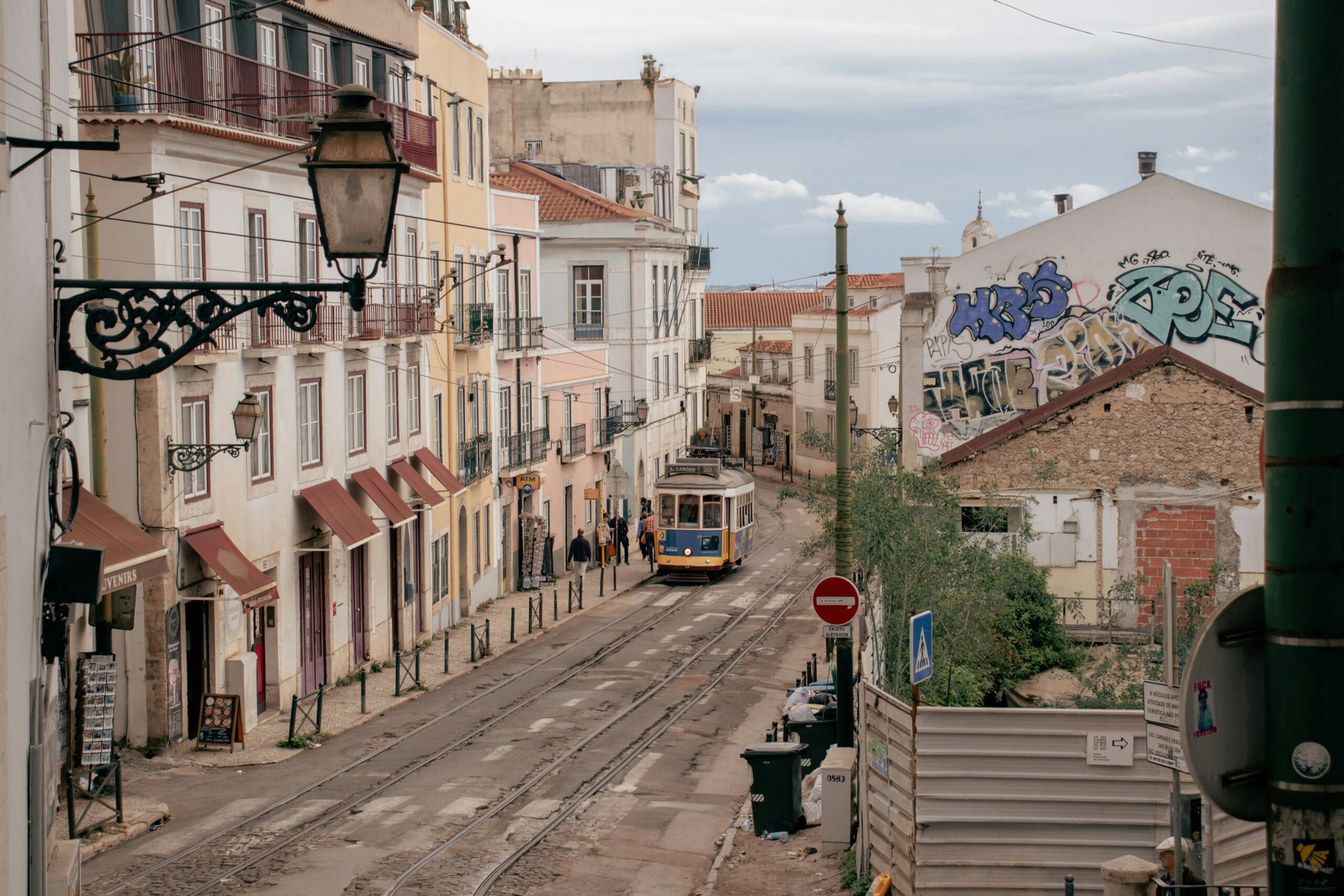
Lisbon has a way of making an ordinary walk feel like a small adventure. Streets climb steep hills, old trams rattle around tight corners and tiled façades catch the afternoon light. At the top of a staircase, the view might open across terracotta rooftops towards the Tagus River. At street level, a bakery may offer a warm pastel de nata and a perfectly reasonable excuse to stop exploring for ten minutes.
Portugal’s capital is compact enough to explore in a few days, yet varied enough to keep you curious for much longer. Its appeal is not limited to postcard viewpoints or historic monuments. Lisbon is a city of neighbourhoods, each with its own pace, food, music and character. A good first visit balances the famous sights with time to wander without a strict plan.
Get to know Lisbon’s neighbourhoods
Alfama: the old lanes and viewpoints
Alfama is one of Lisbon’s oldest districts, a maze of narrow lanes, stairways and small squares that survived the devastating 1755 earthquake in parts. It is best explored slowly and on foot. You will find tiled houses, traditional shops, quiet corners and viewpoints looking over the rooftops and river.
Wear comfortable shoes: the hills and cobblestones are part of the experience, but they can be tiring. It is easy to lose your sense of direction in Alfama, which is not necessarily a problem. Keep a map handy for the walk back, and avoid blocking doorways or photographing residents without permission.
Baixa and Rossio: the city centre
Baixa is Lisbon’s central district, laid out with broad streets and elegant squares after the earthquake. Praça do Comércio opens towards the river, while Rossio is a lively meeting point surrounded by cafés and historic buildings. This area is convenient for a first orientation walk and provides straightforward connections to other parts of the city.
From Baixa, you can walk towards Chiado, a district of theatres, bookshops, cafés and independent stores. The streets are busy, but it is a pleasant place to pause for coffee or browse before continuing uphill.
Bairro Alto and Cais do Sodré
Bairro Alto is known for its narrow streets and evening atmosphere. During the day it can feel relatively quiet; later, bars and restaurants bring more life to the neighbourhood. Nearby Cais do Sodré has changed considerably over the years and now mixes transport connections, riverside spaces, restaurants and nightlife.
If you prefer quieter evenings, visit earlier and choose a restaurant away from the busiest streets. Lisbon has plenty of places to enjoy dinner without turning the night into a loud endurance event.
Belém: monuments beside the river
West of the centre, Belém is home to some of Portugal’s most recognisable monuments. Jerónimos Monastery is an impressive example of Manueline architecture, while Belém Tower stands beside the river and recalls the city’s maritime history. The Monument to the Discoveries is another prominent riverside landmark.
Allow time for queues, especially at popular attractions and during peak travel periods. Belém is also associated with the famous pastel de nata style of custard tart. A bakery stop is practically part of the itinerary, although you may find yourself comparing versions across the city afterwards.
Lisbon’s viewpoints: a city made for looking around
Lisbon is often called the city of seven hills, and its viewpoints make the geography easy to appreciate. Miradouro de Santa Luzia is a popular terrace overlooking Alfama, while Miradouro das Portas do Sol offers another classic view across the old district. Miradouro da Senhora do Monte sits higher and provides a broad panorama over the city.
These viewpoints are especially appealing in the late afternoon, but they can become crowded around sunset. Visit earlier in the day if you want more space, or choose a less central viewpoint and enjoy the walk as part of the experience. Keep an eye on personal belongings in busy areas and do not leave valuables unattended while taking photographs.
What to eat and drink
Lisbon is an excellent city for eating well without making every meal a formal occasion. Start with a pastel de nata, the crisp pastry filled with a soft egg custard. Try it warm, with a little cinnamon if you like. It is a simple pleasure, and there is no need to pretend you will only have one.
For savoury dishes, look for grilled sardines when they are in season, bacalhau prepared in one of its many styles, seafood rice and bifana, a Portuguese pork sandwich. Small neighbourhood restaurants often provide a relaxed introduction to local cooking. Menus may change with the season, and the daily specials can be worth asking about.
Portuguese coffee is usually served in small, strong portions. If you want something closer to a larger milky coffee, ask for a galão or meia de leite. For a slower afternoon, find a terrace, order a drink and watch the city move around you.
Getting around Lisbon
Lisbon’s public transport network includes metro lines, buses, trams, trains and ferries. The historic trams are part of the city’s identity, but they are also working public transport and can be extremely crowded on popular routes. If a particular tram is full, consider walking or using another service rather than waiting in a long queue simply for the photograph.
The metro is useful for longer journeys, while walking is often the best way to explore central neighbourhoods. Hills can make short distances feel longer, so plan your day with the terrain in mind. Group nearby sights together and use public transport to avoid unnecessary climbs.
For current transport options and service information, check Metro Lisboa and Carris, the city’s bus and tram operator. Ticket products and travel rules can change, so confirm the latest details before your journey.
A day trip to Sintra
If you have an extra day, Sintra is one of the most popular excursions from Lisbon. The town is known for its palaces, historic centre and wooded hills. Pena Palace is famous for its colourful exterior and hilltop setting, while the Moorish Castle offers views across the surrounding landscape.
Sintra is not a quick stop with everything clustered around the railway station. Attractions are spread across the hills, and transport, walking time and queues all need to be considered. Choose one or two main sights rather than trying to visit every palace in a single day. Check official visitor information and timed-entry arrangements before travelling; the Parques de Sintra website provides practical details for its monuments and parks.
How many days should you spend in Lisbon?
Two full days are enough for a first look at the central neighbourhoods and a few major sights, but three or four days create a more relaxed visit. With an additional day, you can explore Belém properly or take a trip to Sintra without squeezing everything into a tight schedule.
- Two days: Explore Baixa, Chiado, Alfama and a selection of viewpoints, then spend time in Belém.
- Three days: Add a slower neighbourhood day for markets, museums, cafés and riverside walks.
- Four days: Include a day trip to Sintra or explore more of the coast around Cascais.
A relaxed three-day Lisbon itinerary
Day one: Baixa, Chiado and Alfama
Start around Praça do Comércio and walk through Baixa towards Rossio and Chiado. Take a break at a café, then make your way into Alfama in the afternoon. Explore its lanes and viewpoints, leaving enough time to walk back down without rushing. Finish with a local dinner.
Day two: Belém and the waterfront
Travel to Belém in the morning and visit the monuments that interest you most. Allow time for the monastery area, the riverside and a pastry stop. Return towards the centre later in the day and enjoy an unhurried evening around Cais do Sodré or another neighbourhood that suits your mood.
Day three: Markets, viewpoints and a flexible afternoon
Use the final day to visit a museum, explore a market or discover a neighbourhood you missed. Choose a viewpoint that is not already on every tour itinerary, then leave the afternoon open. If you have planned a Sintra day trip instead, give it the full day rather than trying to combine it with central Lisbon.
When is the best time to visit?
Spring and autumn are often comfortable for walking, with generally milder temperatures than the height of summer. Summer brings long days and lively outdoor dining, but also more visitors and hotter afternoons. Winter is usually cooler and can be rainy, although the city remains a year-round destination.
Lisbon’s hills and stone pavements can feel especially hot under direct sun. Carry water, use sun protection and plan indoor visits during the warmest part of the day. Whatever the season, a light layer is useful near the river when the breeze picks up.
Practical tips for a smoother stay
Book popular attractions ahead when timed entry is offered, particularly during busy periods. Keep some flexibility in your schedule because queues and transport changes can affect the day. Lisbon is generally straightforward to explore, but busy tourist areas call for the same awareness you would use in any major city: keep valuables secure and be cautious of unsolicited offers.
Choose accommodation based on transport access and the kind of neighbourhood atmosphere you enjoy. Staying in Baixa or Chiado is convenient for many central sights, while Avenida da Liberdade offers a more spacious feel and good connections. Alfama is atmospheric, but steep streets and steps may be inconvenient if you are travelling with heavy luggage or have mobility needs.
For broader trip planning, the official Visit Lisboa tourism website has information about attractions, neighbourhoods and events. Check opening hours and local guidance close to your visit, as details can change.
Take Lisbon one hill at a time
Lisbon is at its best when you resist the urge to race between every famous landmark. Spend time in one neighbourhood, stop for a coffee, take the scenic route and let the city reveal its contrasts: grand squares and tiny lanes, old tiled houses and contemporary galleries, river views and lively evening streets.
If this is one stop in a longer travel journey, you can find more ideas in our travel guides and destination stories. For a first visit to Lisbon, though, the simplest advice is often the most useful: wear comfortable shoes, bring your curiosity and leave enough time to enjoy the view from the top of the next hill.


