A First-Time Guide to Bangkok: Temples, Street Food and the Chao Phraya River
 0
 0
Bangkok is a city that rarely does anything quietly. Long-tail boats weave along the Chao Phraya River, street kitchens send fragrant clouds of smoke into the evening air, and golden temple roofs appear between modern towers. It can feel intense on a first visit, but give the Thai capital a little time and its rhythm becomes part of the pleasure.
The easiest way to enjoy Bangkok is to balance the famous sights with slower moments: a ferry ride, a bowl of noodles in a neighbourhood shop, or an hour wandering a market without a strict plan. This guide covers the places worth prioritising, how to get around, what to eat and how to shape a first visit.
Start with the old city and its temples
Rattanakosin, the historic heart of Bangkok, is home to several of the city’s best-known landmarks. The Grand Palace is an elaborate former royal residence, while the nearby Temple of the Emerald Buddha (Wat Phra Kaew) is one of Thailand’s most important religious sites. Dress respectfully: shoulders and knees should be covered, and visitors should follow the site’s entry rules.
A short journey away, Wat Pho is famous for its enormous Reclining Buddha and peaceful courtyards. It is also associated with traditional Thai massage. Arrive earlier in the day if you want to explore before the strongest afternoon heat and larger tour groups arrive.
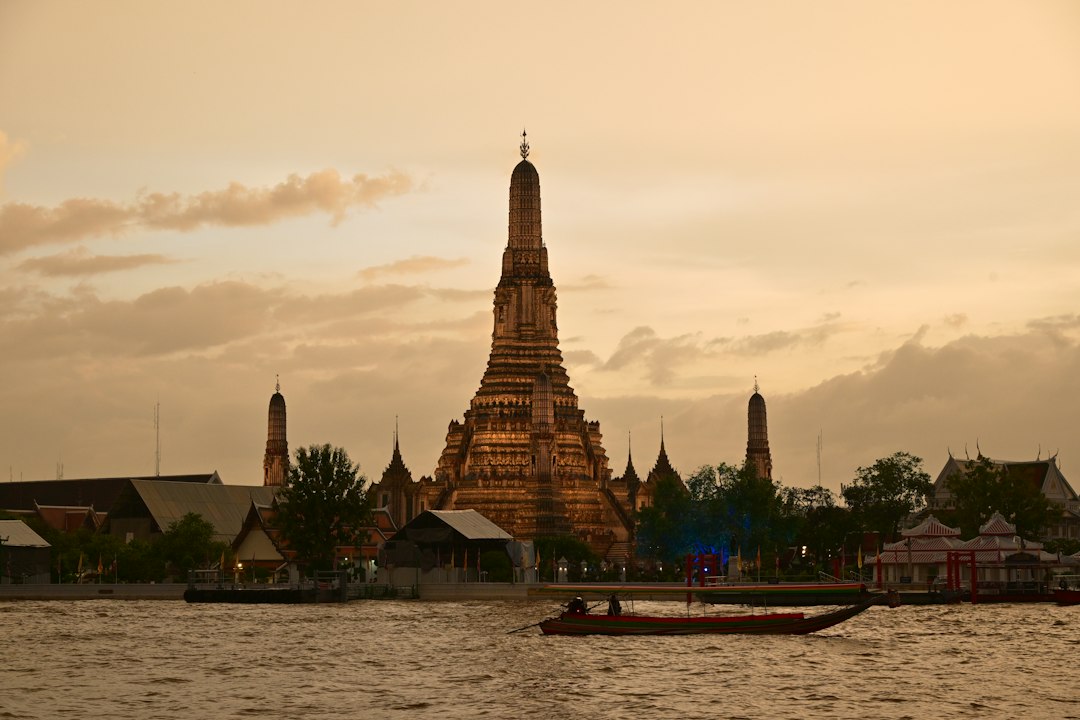
Across the river stands Wat Arun, the Temple of Dawn. Its distinctive central prang is decorated with colourful porcelain and catches the light beautifully. The river crossing is part of the experience; take a local ferry rather than turning the visit into a complicated road journey.
Take the river as your guide
The Chao Phraya is more than a scenic backdrop. It is a working transport route that connects temples, neighbourhoods, markets and modern developments. A public river boat can be an inexpensive way to see the city from a different angle, while a short cross-river ferry is useful for reaching Wat Arun.
For a relaxed afternoon, choose one or two stops rather than trying to cover the entire riverfront. The area around Tha Tien is convenient for the old-city temples, while the piers farther south connect with shopping and dining districts. Check the current boat routes and fares at the pier, as services and schedules can change.
Explore Chinatown after dark
Bangkok’s Chinatown, centred around Yaowarat Road, is one of the city’s most atmospheric food districts. In the evening, neon signs glow above busy pavements and small restaurants serve seafood, noodles, grilled dishes and desserts. The best approach is to walk slowly, look at what local diners are ordering and share a few small plates.
Nearby Talat Noi offers a different mood, with old shophouses, workshops, street art and tucked-away cafés. It is a rewarding area for a daytime wander, especially if you enjoy seeing how historic neighbourhoods continue to evolve rather than functioning only as visitor attractions.
Markets, shopping and modern Bangkok
Bangkok’s markets are varied, so choose according to the day and your interests. Chatuchak Weekend Market is vast and best explored with comfortable shoes, water and a loose plan. Smaller neighbourhood markets can be more manageable and often provide a closer look at everyday food shopping.
For air-conditioned shopping, the Siam area has large malls, department stores and easy connections to the BTS Skytrain. ICONSIAM, beside the river, combines shopping, restaurants and river views. These places are useful during the hottest part of the day or when a sudden tropical shower arrives.
What to eat in Bangkok
Food is one of the strongest reasons to spend time in Bangkok. Try pad thai, tom yum, som tam (green papaya salad), boat noodles, grilled pork with sticky rice and mango sticky rice when mangoes are in season. A bowl of simple rice porridge or noodle soup can be just as memorable as a famous restaurant meal.
Street-food stalls vary in style and quality. Look for busy places with a steady flow of customers and food cooked fresh in front of you. If you have allergies or dietary requirements, communicate them clearly; do not assume a dish is free of fish sauce, shrimp paste, peanuts or other ingredients. Carry drinking water, and choose food that is served hot when you are unsure about how it has been stored.
Getting around without losing your patience
Bangkok traffic can be heavy, particularly during commuter hours and around popular shopping areas. The BTS Skytrain and MRT metro are often the most predictable options for longer journeys. They connect many commercial districts, shopping areas and transport hubs, although some historic sights still require a short taxi, boat or bus connection.
Use a metered taxi or a reputable ride-hailing service when public transport does not reach your destination conveniently. Confirm that the meter is running where applicable and check the destination in the app or on a map. Tuk-tuks can be fun for a short ride, but agree on the fare before setting off. For short distances in the old city, walking can be pleasant, but pavements may be uneven and the heat can be tiring.
When is the best time to visit?
Bangkok is hot for much of the year. The cooler, generally drier months from around November to February are popular for sightseeing, so accommodation and major attractions can be busier. March to May is typically very hot. The rainy season often brings showers from roughly May to October, but rain does not necessarily last all day; a flexible schedule makes it easier to work around it.
Whenever you visit, plan outdoor temple visits for the morning, keep indoor activities for the hottest hours and leave some room in the day for an unexpected downpour. Lightweight clothing, sun protection and comfortable footwear make a real difference.
A simple three-day Bangkok itinerary
Day 1: Historic Bangkok
Begin at the Grand Palace and Wat Phra Kaew, then continue to Wat Pho. After lunch, cross the river to Wat Arun and enjoy the changing light along the water. Keep the evening relaxed with dinner near the river or in the old city.
Day 2: Chinatown and local neighbourhoods
Spend the morning around Talat Noi and the lanes of Chinatown. Take a break during the hottest part of the day, then return to Yaowarat in the evening to sample several dishes. If you prefer a quieter night, choose a small restaurant away from the busiest stretch.
Day 3: Markets and contemporary Bangkok
Visit Chatuchak if your dates include a market day, or explore the Siam district and its shopping centres. In the afternoon, take the BTS to another neighbourhood or visit a riverside development. Finish with a meal that you have not tried yet rather than repeating the same tourist-area options.
Practical tips for a smoother first visit
- Carry small cash: cards are widely accepted in malls and many hotels, but markets, small food stalls and local transport may require cash.
- Respect temple etiquette: dress modestly, remove shoes where instructed and keep voices low in prayer areas.
- Build in travel time: distances can look short on a map while road journeys take much longer.
- Stay hydrated: heat and humidity can catch visitors off guard, especially when walking between sights.
- Keep valuables secure: use normal city awareness in crowded markets, stations and busy tourist areas.
- Check opening details: official sites and local notices are the best place to confirm current opening hours, ticket rules and transport changes.
Where to stay
For a first visit, staying near a BTS or MRT station makes daily travel easier. The Siam and Sukhumvit areas offer convenient transport, shopping and a wide range of accommodation. Riverside hotels can provide a calmer setting and memorable views, while the old city is useful if temples and historic sights are the main focus. Chinatown is a good choice for food lovers who enjoy lively streets, though it can be busy at night.
Bangkok rewards a flexible plan
It is tempting to treat Bangkok as a checklist of temples, markets and rooftop views, but the city is often most enjoyable between the headline attractions. Leave time for a ferry ride, a neighbourhood café or a meal chosen simply because it smells wonderful. A little flexibility helps you discover the city at its own pace.
If you are planning a wider trip, explore more travel guides and destination stories from Gap for ideas beyond Thailand. For practical visitor information, the official Tourism Authority of Thailand website is a useful place to check destination updates and travel inspiration.
Photo: Wat Arun beside the Chao Phraya River at sunset. Photo by Kelvin Zyteng via Unsplash.


