A First-Time Guide to Marrakech: What to See, Eat and Know Before You Go
 0
 0
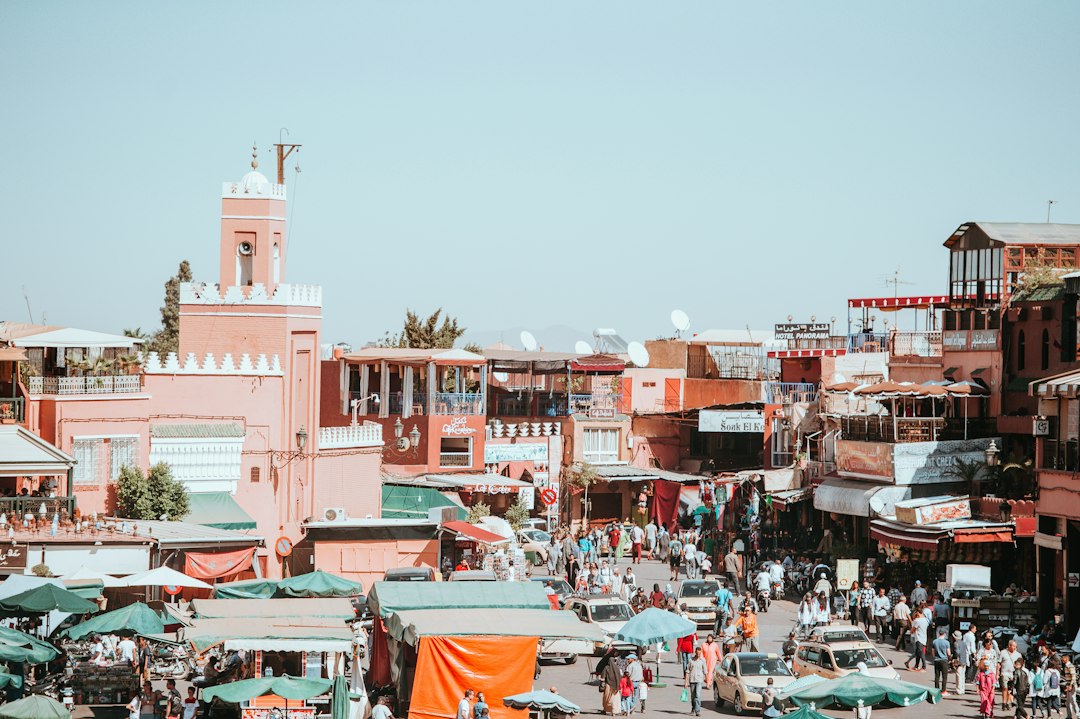
Marrakech is a city that seems to move to several rhythms at once. In the old medina, narrow lanes twist between workshops, small courtyards and shops filled with lanterns, leather goods and colourful textiles. A few streets away, broad avenues and gardens offer a quieter side of the city. Add the scent of fresh bread, the sound of street musicians and the warm colours of the surrounding landscape, and it becomes easy to see why Marrakech stays in the imagination long after a visit.
For a first trip, the secret is not to see absolutely everything. The medina can be wonderfully confusing, the afternoons can be hot, and there is always another doorway or market stall asking for a closer look. A little structure helps, but leave room to wander too.
Get your bearings in the medina
The historic medina is the natural starting point. Its streets are a living network of neighbourhoods, markets, food stalls and traditional trades. Rather than trying to navigate every lane on a map, choose a landmark as your reference point and explore one area at a time. The main squares and larger streets are useful for finding your way back, while smaller lanes often reveal workshops and everyday scenes that are easy to miss when rushing.
Souks are not one single market but a collection of specialist areas. You may pass displays of lamps, woven baskets, spices, ceramics, slippers and leather goods within a short walk. Shopping is part of the experience, but it is perfectly fine to browse without buying. If you do want something, take your time, compare a few options and agree on the price before the purchase is final.
Spend time around Jemaa el-Fnaa
Jemaa el-Fnaa is one of Marrakech’s best-known public spaces. During the day, the square has a different atmosphere from the evening, when food stalls, performers and crowds bring it to life. It can be busy and intense, especially at peak times, so keep an eye on your belongings and be considerate when photographing performers or vendors. Ask permission before taking close-up portraits, and clarify any payment expectations before accepting a posed photo or service.
A rooftop café overlooking the square can be a good place to pause and watch the scene from above. Go for a drink around sunset if you want to see the light change and the evening activity begin. You do not need to spend hours there; even a short visit gives a useful sense of the city’s energy.
Look beyond the busiest streets
Marrakech is more than its souks and central square. The city’s gardens, museums and historic buildings offer a calmer way to understand its architecture and design traditions. The Bahia Palace is known for its courtyards and decorative details, while the Saadian Tombs provide a glimpse into an important period of Moroccan history. These sites can become busy, so check opening arrangements and consider visiting earlier in the day.
For a quieter break, the Majorelle Garden is a popular choice, with vivid blue architecture, shaded paths and carefully arranged planting. Entry arrangements and time slots can change, so check the official visitor information before making the journey. It is worth planning this visit rather than simply arriving and hoping to walk in.
Make room for Moroccan food
Food is one of the pleasures of spending time in Marrakech. Menus often include tagines, couscous, grilled meats, salads, harira soup and freshly baked bread. Mint tea is widely offered, sometimes as a welcome and sometimes as the perfect excuse to sit down for a while. If you are unsure what to order, ask what is seasonal or what the kitchen recommends that day.
Markets and small restaurants can be excellent places to try local flavours, but use the same common sense you would anywhere: choose busy places with good food turnover, make sure hot dishes are served hot, and drink water from sealed bottles if you are not accustomed to the local supply. Travellers with dietary requirements should explain them clearly, as ingredients and preparation methods vary.
Choose accommodation for the kind of trip you want
Staying in a traditional riad inside or near the medina can make the historic centre easy to explore on foot. Many riads are arranged around an interior courtyard, creating a peaceful contrast with the lively lanes outside. However, some are tucked into narrow streets where cars cannot reach the door. Ask your accommodation for clear arrival instructions and whether someone can meet you at a nearby landmark, especially if you arrive after dark.
Hotels in the newer parts of the city may offer easier vehicle access, larger facilities and a different pace. Neither option is automatically better. Choose based on your comfort, mobility, budget and the amount of time you want to spend in the old town.
When to visit Marrakech
Spring and autumn are often comfortable seasons for walking around Marrakech, although weather varies and popular periods can bring larger visitor numbers. Summer can be extremely hot, particularly in the middle of the day. If travelling then, plan outdoor sightseeing for the morning and later afternoon, take regular breaks and carry water. Winter days can be pleasant, but evenings may feel cold, particularly in accommodation with open courtyards.
Whatever the season, comfortable walking shoes are essential. Medina streets can be uneven, and a day of exploring often involves more walking than expected. Light layers, sun protection and a small day bag will make moving around easier.
Getting around and staying aware
The medina is best explored on foot, while taxis are useful for longer journeys between districts. Agree on the fare or confirm that the meter will be used before setting off. For airport transfers, arranging a pickup through your accommodation can make arrival simpler, especially on a first visit.
As in any busy destination, stay aware of your surroundings. Keep valuables secure, be cautious of unsolicited offers to guide you through the lanes, and use a map or trusted directions when needed. If you choose to hire a local guide, confirm the price, duration and route in advance. Respectful curiosity goes a long way: ask before photographing people, dress thoughtfully when visiting religious or culturally significant places, and follow local rules.
A relaxed two-day Marrakech plan
- Day one: Start with a walk through the medina and its souks, visit a historic site such as Bahia Palace, take a break at a courtyard café, then return to Jemaa el-Fnaa in the early evening.
- Day two: Visit a garden or museum in the morning, enjoy a long lunch, explore a different neighbourhood in the afternoon and leave the evening open for a meal you have been looking forward to.
If you have a third day, consider a guided excursion beyond the city, but choose an operator carefully and check travel times before booking. The Atlas Mountains and surrounding countryside are often promoted as day trips, yet road conditions, weather and the exact destination can make the day longer than expected.
Useful planning resources
Before travelling, check current entry requirements and official travel advice for your passport and circumstances. The Moroccan National Tourist Office provides destination inspiration and practical visitor information. For broader travel preparation, consult your own government’s travel advisory service and confirm opening hours directly with individual attractions.
Enjoy the city at its own pace
Marrakech is at its best when you allow it to unfold gradually. Visit the famous places, but do not spend the entire trip moving between them. Pause for tea, notice the details of a doorway, follow a quieter lane and give yourself time to sit and watch the city. You may get turned around once or twice; in the medina, that is practically part of the itinerary. With a little preparation and an open mind, Marrakech can be a memorable introduction to Morocco.


